NOTE: Imtra is in the process of converting to a new computer system. Shipments have been delayed during the process but we are working hard to rectify this. Our team remains available to assist you. Please contact us by phone at 508-995-7000 for assistance.
All text size classes applied (to guarantee all text sizes are available)
Zinc vs. Aluminum Sacrificial Anodes: What Boat Owners Need to Know
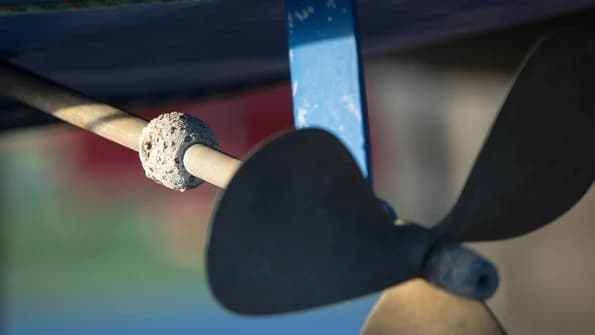
When it comes to protecting your boat’s underwater metal parts from corrosion, sacrificial anodes are a critical, yet often overlooked, component. These “sacrificial” metals take the brunt of electrolysis-related damage so important hardware like propellers, shafts, and rudders stay intact longer. Traditionally, zinc has been the go-to anode material for decades, but aluminum is rapidly becoming a preferred alternative.
What Are Sacrificial Anodes and Why Do They Matter?
A sacrificial anode is a block of metal attached to your boat’s underwater gear. Because it’s more electrochemically active than the metal it’s protecting, the anode corrodes first—sacrificing itself to preserve your boat’s other underwater metal parts. This process is a form of cathodic protection, which slows galvanic corrosion in saltwater and freshwater conditions. Without functioning anodes, corrosion can eat away at expensive metal components, leading to costly repairs and safety hazards.
Zinc Anodes: The Traditional Choice
For many years zinc was the default anode material, especially for saltwater boats. In fact, boaters still commonly call sacrificial anodes “zincs” because of this long history.
Pros of Zinc Anodes:
Historical standard with wide availability
Adequate protection in saltwater environments
Cons of Zinc Anodes:
Environmental concerns due to potential cadmium content and zinc accumulation in marinas
Shorter lifespan compared to aluminum
Less effective in freshwater or brackish conditions due to passivation
Because of these downsides, some regions have even explored restricting zinc anodes to reduce environmental impact.
Aluminum Anodes: The Better Alternative?
Aluminum alloy sacrificial anodes are quickly gaining popularity among boat owners and marine professionals. They are typically made from specialized alloys designed to optimize performance and prevent passivation.
Advantages of Aluminum Anodes:
Longer lifespan (often up to 50% longer than zinc)
Effective in saltwater, brackish, and many freshwater environments
Lighter weight for easier handling and installation
Reduced environmental impact due to the absence of toxic additives like cadmium
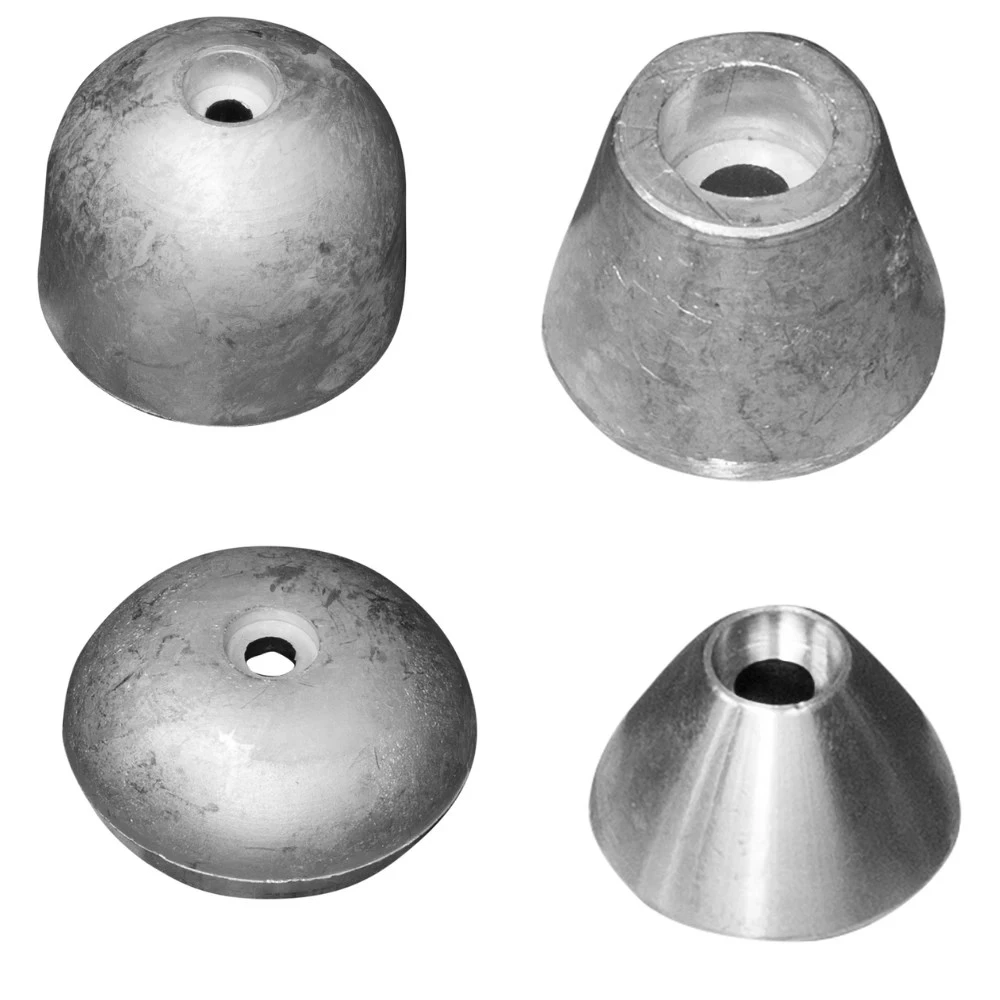
A notable example of this industry shift is Sleipner, formerly Side-Power. As early as 2010, Sleipner transitioned all of its thruster systems from traditional zinc anodes to aluminum alloy anodes. The decision reflected the same advantages driving adoption across the marine industry: longer service life, more reliable protection in varied water conditions, reduced weight, and a significantly lower environmental footprint. By standardizing aluminum anodes across its product range, Sleipner improved both performance and maintenance intervals while also reducing environmental impact.
So why isn't everyone already using aluminum? Despite the advantages, some boaters and yards have been slower to transition, likely due to the environmental impacts of Zinc only recently being studied combined with habit and familiarity with zinc. There are also some misconceptions that slower corrosion means reduced effectivenes.
Even so, many industry experts believe the shift toward aluminum is inevitable, particularly as environmental awareness grows.
Conclusion: Making the Right Choice for Your Boat
Zinc anodes have served the boating community for decades, but aluminum anodes now offer clear advantages in performance, longevity, and environmental responsibility. For many boat owners, especially those operating in mixed or changing water conditions, aluminum is the better choice.
As the marine industry continues to evolve, the move away from traditional “zincs” toward aluminum alloys is gaining momentum. With proven performance and growing adoption by leading manufacturers, aluminum anodes are quickly becoming the new standard in sacrificial protection.